
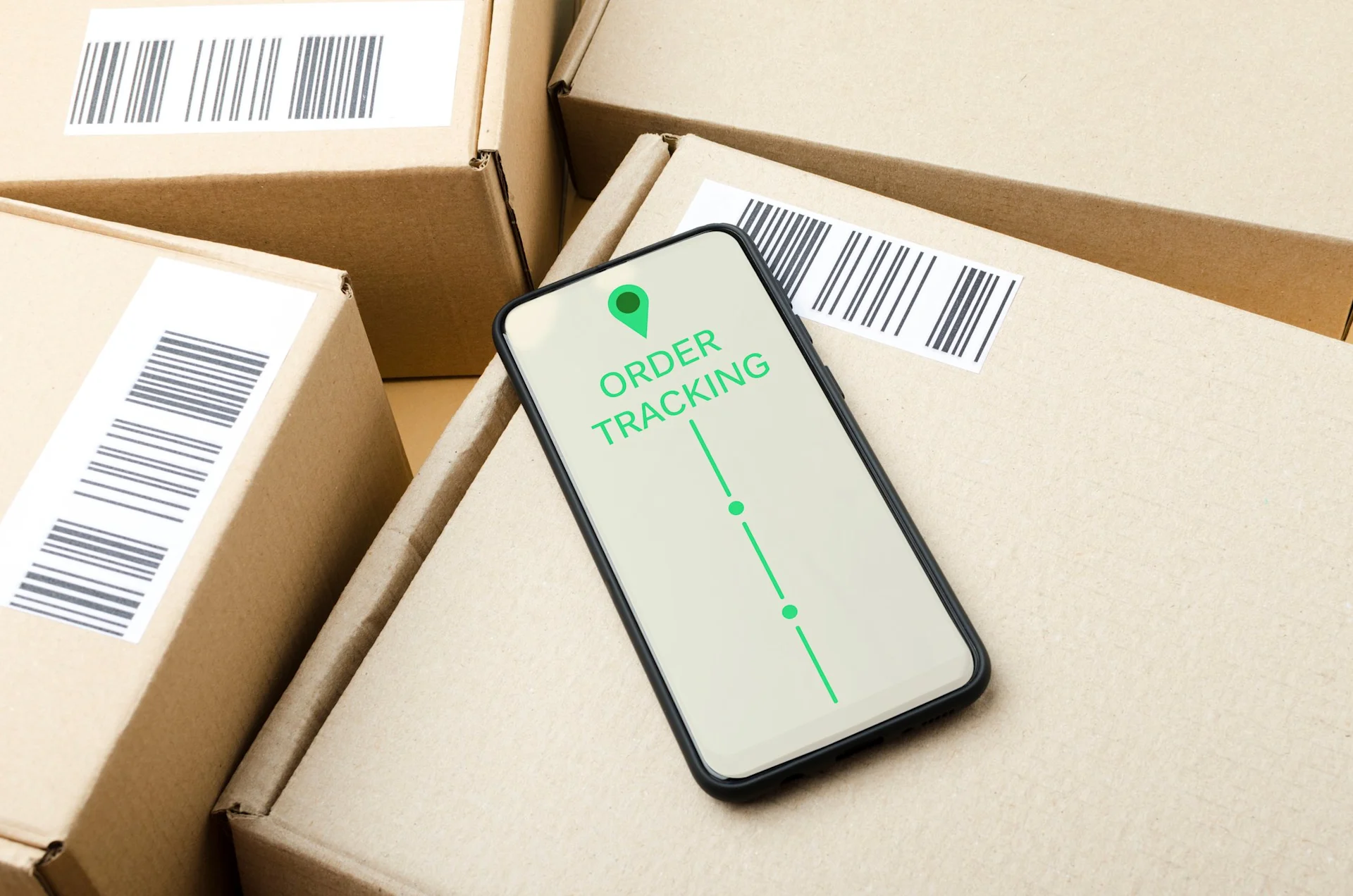
Monitoring a package from the moment it is dispatched until it reaches its destination has become a crucial aspect of contemporary shopping. Customers expect complete transparency regarding the journey of their shipments, whether they are ordering locally or internationally. This is where Itella tracking is essential, providing a dependable method to oversee parcels throughout every phase, from seller to doorstep.
Comprehending the functionality of Itella tracking can greatly enhance the delivery experience, minimise uncertainty, and assist recipients in planning for the arrival. As e-commerce continues to expand, tracking systems have developed into sophisticated tools that offer real-time updates and reassurance.
Comprehending the Fundamentals of Itella Tracking
At its core, Itella tracking is a digital system that enables users to monitor the journey of a parcel through different logistical checkpoints. Once a seller dispatches an item, a unique tracking number is assigned to it. This number serves as a unique identifier, allowing both the sender and recipient to track the parcel’s journey.
The journey usually starts when the seller gets the order ready for shipment. At this point, the tracking number has been generated; however, updates may not be visible just yet. Once the parcel is handed over to the delivery network, the Itella tracking system starts to provide updates with real-time information.
Each scan along the route offers a status update. These updates may encompass confirmation of collection, arrival at sorting centres, transit between facilities, and final delivery.
From Seller Dispatch to Initial Scan
The initial phase of Itella tracking starts with the seller. Once an order is confirmed, the seller carefully packages the item and registers it in the delivery system. This step produces the tracking number, which is subsequently provided to the buyer.
At this stage, the tracking status might show as “information received” or “awaiting collection.” This indicates that the parcel is present in the system, but it has not yet been physically scanned.
Upon collection, the initial physical scan signifies the commencement of active tracking. This is when Itella tracking becomes fully operational, offering clear updates that verify the parcel’s movement through the network.
Movement Through Sorting Facilities
Once collected, parcels are taken to sorting facilities for processing. These hubs play a crucial role in organising shipments according to their destination. During this stage, Itella tracking will display updates like “arrived at sorting centre” or “processed for onwards transit.”
Automated systems are employed by sorting facilities to efficiently direct parcels. Depending on the distance and the speed of delivery, a parcel may travel through several centers. Every transition is documented, guaranteeing clarity throughout the process.
For international shipments, this phase may also involve customs processing. Itella tracking provides updates on any delays or inspections, allowing recipients to comprehend the reasons behind a parcel’s extended arrival time.
In Transit Updates and Their Significance
One of the most beneficial features of Itella tracking is the capability to access transit updates. These updates show that the parcel is in transit between locations. Messages like “in transit” or “departed facility” frequently appear during this phase.
It is essential to recognise that there may be times when no updates are visible. This does not imply a delay. Instead, it frequently mirrors the duration required for transportation between key hubs.
For long-distance deliveries, particularly those crossing borders, Itella tracking might display fewer updates until the parcel arrives in the destination country. Once it arrives, tracking usually becomes more detailed once more.
Arrival at the Destination Area
As the parcel nears its final destination, Itella tracking becomes more accurate. Updates will show arrival at a local depot or delivery center. This represents a significant milestone, indicating that the parcel is nearing delivery.
At this stage, recipients might obtain estimated delivery dates or time frames. These forecasts are grounded in logistical data and assist customers in preparing for their arrival.
The system may also offer options for managing delivery, including the ability to reschedule or redirect the parcel. This adaptability stands out as a significant benefit of contemporary tracking systems.
Out for Delivery and Final Steps
The last phase of Itella tracking is indicated by the “out for delivery” status. This signifies that the parcel is currently with a courier and is scheduled for delivery that day. In numerous instances, recipients may anticipate delivery within a designated timeframe.
During this phase, updates may be tracked more frequently. Some systems offer live tracking, enabling users to monitor the courier’s progress in real time.
Once the parcel is delivered, Itella tracking will verify that the process is complete. This may encompass specifics like delivery time, location, or acknowledgement of receipt. This final update concludes the tracking journey.
Understanding Common Tracking Statuses
To fully utilise Itella tracking, it is beneficial to comprehend the common status messages. “Label created” or “information received” indicates that the parcel has been registered but has not yet been collected. “In transit” indicates movement between facilities, while “arrived at depot” signals closeness to delivery.
“Out for delivery” indicates that the parcel is en route to the recipient, while “delivered” signifies the conclusion of the journey. At times, users might encounter statuses like “exception” or “delayed.” These point to unforeseen problems, including weather-related disruptions or logistical hurdles.
Grasping these terms enables users to accurately interpret updates and prevent unwarranted worry.
Advantages of Utilising Itella Tracking
There are numerous benefits to utilising Itella tracking during the delivery process. First and foremost, it offers clarity. Customers can track the precise location of their parcel and estimate its arrival time.
It enhances the interaction between the seller and the buyer. By providing tracking information, sellers can minimise enquiries and foster trust with customers. For buyers, the capability to track progress boosts assurance in the acquisition.
Furthermore, Itella tracking facilitates improved planning. Understanding the expected arrival time of a parcel allows recipients to organise their plans accordingly, particularly for deliveries that are high in value or require timely attention.
Effective Strategies for Monitoring Your Parcel
To maximise the benefits of Itella tracking, it is essential to utilise the tracking number properly. Always input the number with precision and consistently verify for updates. If no updates appear right away, please allow some time for the system to refresh after dispatch.
It is also recommended to keep an eye on tracking during important phases, such as arrival in the destination area or when labelled “out for delivery.” These are the instances where action may be necessary, such as being present to accept the parcel.
If delays occur, examining the tracking history can offer clarity on the reason behind them. This information may prove beneficial when reaching out to the seller for assistance.
Managing Delays and Challenges
Itella tracking is typically dependable, though there may be instances of delays. These factors may arise from weather conditions, customs checks, or elevated delivery volumes. When this occurs, tracking updates will typically indicate the current status.
If a parcel seems to be stuck or has not shown any updates for a long time, it is advisable to reach out to the seller initially. They can conduct a more in-depth investigation and offer support if necessary.
In many instances, delays are short-lived and are addressed without the need for additional measures. The tracking system will refresh as soon as the parcel is in motion again.
The Future of Parcel Tracking
As technology continues to evolve, Itella tracking is advancing significantly. Features like real-time location updates, predictive delivery windows, and automated notifications are increasingly becoming standard.
These enhancements elevate the user experience and render parcel tracking more intuitive. In the future, tracking systems could seamlessly integrate with smart home devices, offering enhanced convenience.
Currently, Itella tracking serves as a reliable resource for overseeing deliveries, providing a transparent and organised perspective on a parcel’s journey from the seller to the recipient’s doorstep.