
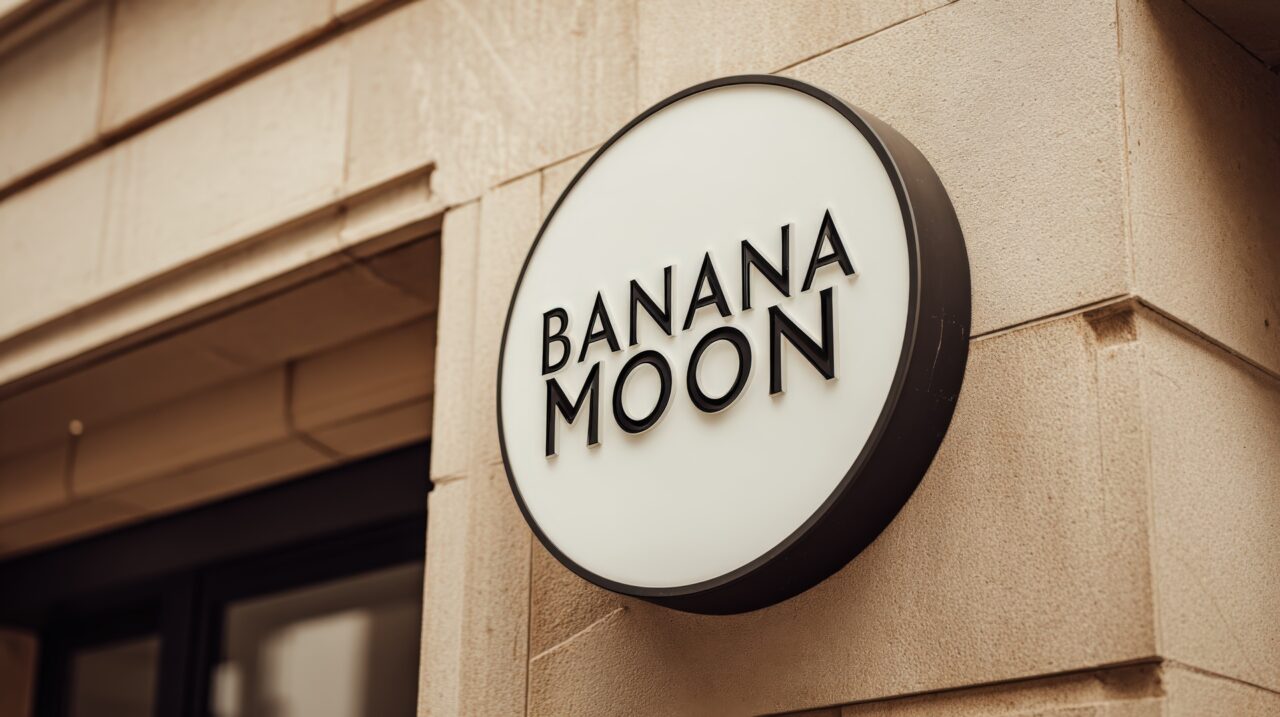
In a world where so much of our work happens on screens, it is easy to forget how important the physical environment still is. Yet for technology companies, the office is more than a place to park laptops; it is a living extension of the product, the brand and the culture. Bespoke office signs play a central role in shaping that experience. They guide people, communicate identity and turn ordinary spaces into recognisable, intuitive environments that feel as thoughtful as the software being built inside them.
For a business that supplies these products, bespoke office signs are not just decorative extras. They are carefully designed interfaces in their own right, sitting at the intersection of design, architecture and technology. When done well, they make navigation effortless, reinforce key messages and help both teams and visitors understand where they are and what the company stands for, without anyone having to think about it consciously.
Bringing A Digital-First Brand Into Physical Space
Tech companies invest heavily in their visual language: typefaces, colours, icons, microcopy and motion all come together in apps, websites and dashboards. When someone walks into the office, they should feel that same language translated into three dimensions. Bespoke office signs allow exactly that. Instead of generic off-the-shelf plaques and arrows, you can use your own typography, icon set and tone of voice on everything from reception signage to meeting room identifiers.
This continuity matters because it creates a unified experience across touchpoints. A visitor who has seen your product interface or marketing material immediately recognises the aesthetic in your reception desk logo or corridor wayfinding. For staff, the environment becomes a constant reminder that they are building something coherent and considered. Bespoke office signs become part of the brand system, not an afterthought.
Improving Wayfinding In Flexible, Hybrid Offices
Modern tech offices are rarely simple grids of identical rooms. Hot-desking, project zones, focus pods, collaboration spaces and mixed-use areas create rich but complex layouts. Without clear visual cues, people waste time searching for the right room, guessing where teams are located or interrupting others while trying to find a quiet corner.
Bespoke office signs solve this by treating the building like a user interface. You can design a clear information hierarchy, combining naming conventions, colours and icons that make sense for your organisation. Engineering might be blue, product green, customer teams orange, with consistent pictograms on every relevant sign. When someone emerges from a lift, a quick glance tells them which direction to go. When looking for a specific meeting room, they can follow a logical pattern rather than random labels.
Because bespoke office signs are made to fit the exact architecture, they can be placed where they will have maximum impact and be legible from real-world sightlines, not just on a plan. This kind of thoughtful wayfinding aligns with the way tech teams already think about user journeys and navigation in digital products.
Supporting Culture, Values And Internal Communication
Most technology businesses talk about values, mission and principles, but those concepts can feel abstract if they exist only in slide decks and onboarding documents. With bespoke office signs, you can weave those ideas into the environment in subtle but constant ways. Core values can be integrated into corridor graphics, product principles can appear near design and engineering zones, and internal slogans can be used in breakout areas to reinforce shared vocabulary.
The key is to avoid heavy-handed slogans and instead treat these messages like part of the visual system. Short phrases, carefully chosen and placed, become gentle anchors for behaviour and decision-making. Over time, people internalise them simply by moving through the space. Bespoke office signs are particularly effective for this because they are persistent, visible reminders that do not require an email or meeting to communicate.
Aligning Hardware With A Tech-Driven Environment
For a supplier operating in a tech niche, the specification of bespoke office signs can itself be technology-led. Material choices, lighting, control systems and integration with building technology all matter. Signs can be designed to work with smart lighting schemes, occupancy sensors and access control systems. In reception areas and key junctions, digital elements can be incorporated to display live information, while static components carry core branding and wayfinding.
Even when signs are predominantly analogue, their design benefits from the precision and repeatability that modern fabrication techniques allow. Consistent edges, crisp typography and exact colour matching give the entire system a polished, engineered feel that resonates with teams used to working in code and design tools. The result is an environment where hardware feels as thoughtfully built as the software it houses.
Designing For Accessibility And Clarity
Accessibility and readability are not just legal or ethical considerations; they are good design practice. In a tech workplace where people may already be dealing with complex information throughout the day, signage should reduce cognitive load, not add to it. Bespoke office signs can be designed with appropriate contrast, font sizes, viewing distances and tactile elements where needed.
Because you are not constrained by generic templates, you can choose typefaces that remain legible at small sizes, ensure that colour combinations support people with visual impairments, and place signs at heights that work for a broad range of users. This attention to detail sends a strong message about inclusivity and user-centric thinking, echoing the practices often used in interface and product design.
Adapting To Growth And Change
Tech companies move fast. Teams expand, restructure, rebrand and adopt new ways of working. Off-the-shelf signage struggles to keep up with this pace, leading to mismatched fonts, taped-on labels and confusing overlaps between old and new systems. Bespoke office signs can be planned with modularity in mind, making change far easier to manage.
Panels can be designed to be swappable, with standardised dimensions and fixing points. Room names can be printed on interchangeable inserts, allowing you to rename spaces without replacing entire units. Directional signs can be built with space for future additions, so new areas can be incorporated without starting over. For a business supplying these products, offering a system rather than isolated signs means becoming a long-term partner in how a client’s space evolves.
Enhancing Employee Experience And Pride
The environment in which people work has a real effect on motivation and satisfaction. Bespoke office signs contribute to a sense that the company takes its space and its people seriously. When desks, meeting rooms and communal areas are clearly and beautifully marked, it is easier for new starters to settle in, for visitors to navigate independently, and for everyone to feel that the office is a well-considered tool rather than a collection of rooms.
Signage can also be used to celebrate internal achievements. Product codenames, project milestones or hackathon outputs can be given permanent or semi-permanent presence through wall graphics and door signs. For tech teams, seeing their work reflected physically in the environment helps build pride and ownership. Bespoke office signs become a way to tell the story of the company’s progress over time.
Creating A Cohesive Visitor Journey
When candidates, investors, partners or clients visit, their impression of the company forms quickly. From the moment they step out of the lift, bespoke office signs guide them and communicate the company’s level of care and professionalism. A consistent, well-designed system tells them they are dealing with an organisation that understands detail, systems and user experience.
Reception signage sets the tone, wayfinding signs confirm they are in the right place, and meeting room identifiers avoid awkward confusion. For a tech company selling sophisticated products or services, this coherence between environment and offering can be the difference between a visit that simply goes smoothly and one that genuinely builds confidence.
Leveraging Bespoke Office Signs As Part Of A Broader System
For the supplier, positioning bespoke office signs as part of a broader workplace strategy is key. Rather than treating each sign as a separate object, you can help clients think in terms of systems: naming conventions, information hierarchies, zoning strategies and aesthetic coherence. This aligns neatly with the way many tech organisations already think about design systems, pattern libraries and component-based development.
By speaking the same language and demonstrating how bespoke office signs can be planned, versioned and iterated like any good product, you position signage as a strategic asset rather than a mere finishing touch. That perspective resonates strongly in a tech niche, where clients appreciate solutions that are scalable, maintainable and deeply integrated with how they work.
Ultimately, bespoke office signs are about making the physical workspace as intentional as the digital products and processes that define a technology business. They translate brand into architecture, turn navigation into a frictionless experience and give culture a visible, everyday presence. For companies operating in fast-moving, innovation-driven markets, investing in this level of thought and craft is not just an aesthetic choice; it is a practical step towards building environments that support focus, collaboration and pride.