
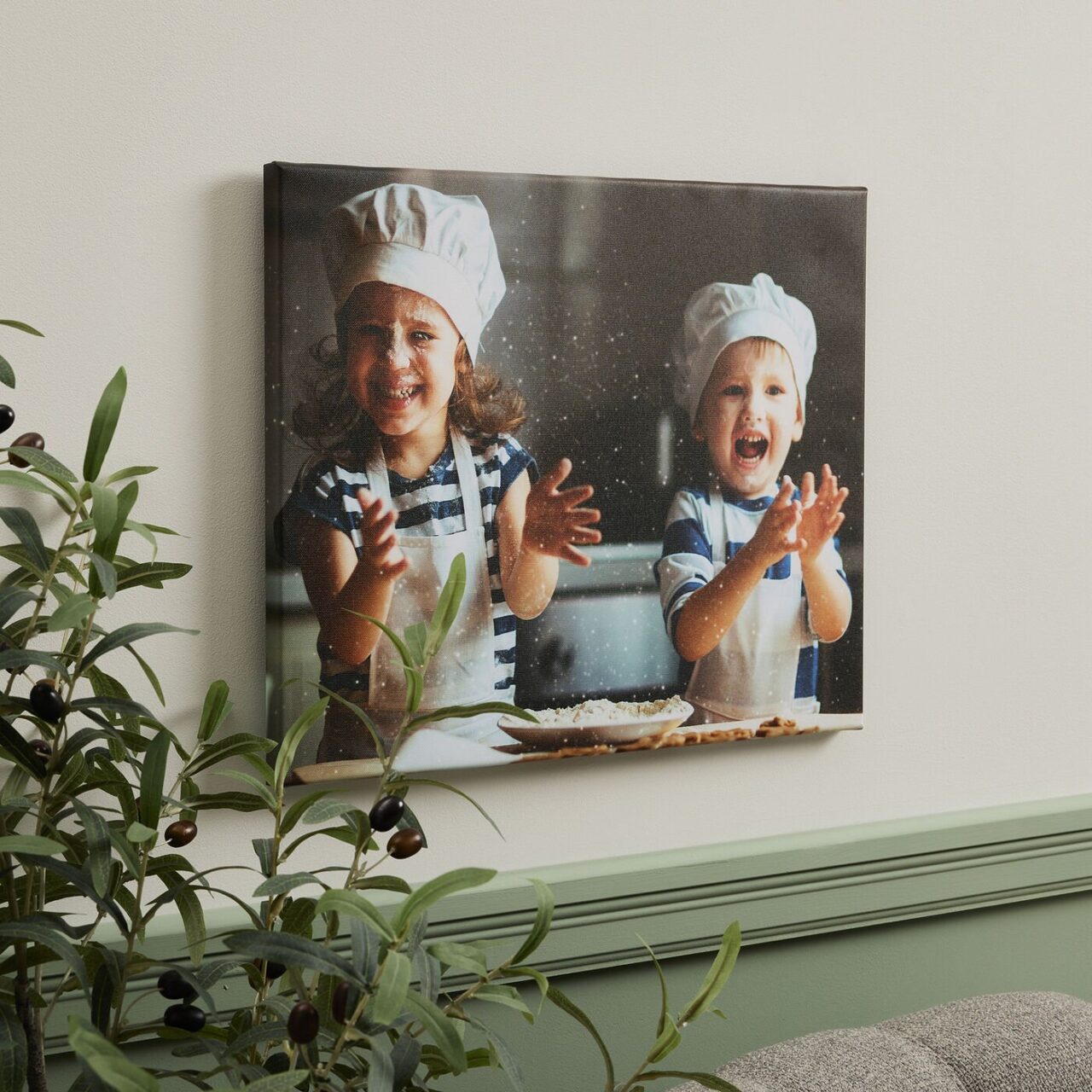
In an age of digital snapshots, it is easy for special moments to disappear into the depths of your phone or cloud storage, rarely seen beyond the first few weeks. One of the most rewarding ways to bring those memories back to life is to print your favourite photo onto a photo canvas. A photo canvas transforms a simple image into a statement piece that can dominate a living room, soften a hallway, or add warmth to a bedroom. By blowing up your chosen image onto a canvas, you are not just hanging a picture—you are creating a piece of art that reflects your personality and tells a story.
The first step in making your favourite photo larger than life is choosing the right image for your photo canvas. Look for photos with strong composition, clear subjects, and minimal digital noise or blurriness. High‑resolution images work best, as they retain their crispness when enlarged. If the only version you have is low‑resolution, the quality may suffer on a large photo canvas, appearing pixelated or muddy. Take a moment to zoom in and check the clarity on your screen; if the image still looks sharp at full size, it is likely a good candidate for a larger canvas.
Once you have selected your image, consider the mood and style you want your photo canvas to convey. A bright, colourful family snapshot can become a vibrant focal point in an open‑plan living area, while a serene landscape might work better as a calming influence in a bedroom or study. By matching the content of the photo to the room’s atmosphere, you create a more cohesive and intentional decor scheme. The way your photo canvas interacts with light, furniture, and surrounding colours will also influence how powerful its impact feels on the wall.
The next practical stage is deciding on the size of your photo canvas. Standard sizes are certainly available, but part of the charm of a larger‑than‑life arrangement lies in choosing dimensions that genuinely fill the wall space and catch the eye. If you have a wide, blank wall in a living room, a wide panoramic photo canvas can act as a centrepiece, drawing the eye across the room. In a smaller hallway or stairwell, a tall or vertically‑oriented photo canvas can make the space feel more dynamic and curated. Take measurements of your wall, consider furniture placement, and visualise how the photo canvas will sit in relation to other elements.
Framing is another consideration that can subtly change the feel of your photo canvas. A timber frame in a warm oak or walnut tone can add a homely, traditional touch, while a slim black or white frame keeps the focus purely on the image. Some photo canvas options are stretched around the sides of the frame, so that the design continues around the edges and eliminates the need for a separate frame. This “gallery wrap” style can give the finished piece a more contemporary, gallery‑like appearance, especially when hung in a line or gallery wall collection.
One of the most satisfying aspects of turning a photo into a photo canvas for your wall is the level of personalisation you can achieve. Beyond simply enlarging the image, you can experiment with cropping, orientation, and colour tones to strengthen the emotional impact of the photo canvas. A portrait‑oriented photo that captures a close‑up moment—a child’s laughter, a couple’s embrace, or a pet’s curious gaze—can feel intimate and powerful when printed large. On the other hand, a landscape‑oriented photo canvas can open up a room visually, making it feel more spacious and inviting.
Before you finalise your order, spend time reviewing the preview of your photo canvas. Many digital previews allow you to see how the image will be cropped, how colours might appear slightly different on canvas versus screen, and how the aspect ratio will affect the final layout. If the person you love most is being clipped out of the frame on one side, adjust the cropping so they remain the focal point. If background elements are too distracting, consider zooming in slightly to create a cleaner, more centred photo canvas. This stage is your last chance to refine the composition before your image becomes a permanent fixture on the wall.
When your photo canvas arrives, take a moment to inspect it carefully. Check that the edges are taut, the colours match your expectations, and the corners are secure. Handling the canvas with care is important; avoid touching the printed surface directly, as oils from your fingers can leave marks. If you hang the canvas in a high‑traffic area, you might want to position it slightly above shoulder height so it remains protected from accidental bumps. A well‑placed photo canvas not only looks impressive but also stays in good condition for years to come.
Choosing the right wall for your photo canvas is just as important as the image itself. A feature wall—often behind a sofa, above a bed, or as the backdrop to a dining table—is a natural home for a large photo canvas. The wall’s colour and lighting will influence how the image stands out. Darker wall colours can make a bright photo canvas appear even more vivid, while lighter walls provide a soft, airy backdrop that suits both subtle and bold images. If the room has mixed lighting—natural daylight during the day and warmer artificial lights at night—observe how your photo canvas looks under both conditions before deciding on its final position.
Another creative way to use a photo canvas is as part of a gallery wall. Instead of relying on a single large image, you can combine several smaller photo canvases that share a theme—a family holiday, a child’s growth over the years, or a collection of favourite landscapes. Arranging them in a loose grid, a vertical column, or a staggered pattern can create a dynamic display that draws the eye upward or across the wall. Even if each individual photo canvas is modest in size, the overall effect can feel monumental when viewed together.
Photo canvas prints respond differently to light compared to regular paper prints. The textured surface of canvas can soften harsh reflections, making the image easier to view from different angles. This tactile quality also adds depth and character, giving the photo canvas a sense of presence that glossy paper prints often lack. In rooms with lots of natural light, matt or low‑gloss finishes can help avoid glare, while slightly more textured canvas surfaces can add a painterly feel to the final result.
For sentimental moments—such as weddings, graduations, or milestone birthdays—turning the image into a photo canvas can be a lasting way to commemorate the occasion. Over time, the photo canvas becomes not just a reminder of the event, but part of the everyday backdrop of your home. Visitors might comment on the image, sparking conversations about the people, places, and emotions captured in the scene. In this way, a photo canvas becomes more than decoration; it becomes a shared story told through art.
Pet owners often find that a photo canvas of their favourite animal is one of the most heart‑warming additions to their rooms. A close‑up portrait of a dog or cat, printed large on canvas, can bring a sense of companionship and warmth into any space. The texture of the fur, the expression in the eyes, and the background details all benefit from the enlarged scale of a photo canvas. In a hallway or by a pet’s favourite resting spot, this kind of canvas can feel especially personal and comforting.
Parents frequently transform key moments—first steps, first days at school, or holiday snapshots—into photo canvases. Children grow quickly, and photos taken just a few years ago can already feel like glimpses into another era. Enlarging those images into a photo canvas allows you to pause time visually, turning fleeting childhood moments into enduring decor. When combined with other family photo canvases, you can create a generational timeline that reflects the evolving story of your home.
Even travel snapshots can be reborn as striking photo canvases. A skyline at sunset, a bustling market scene, or a quiet mountain vista each have the potential to become a larger‑than‑life reminder of a memorable journey. A travel‑themed photo canvas can transport you back to that place whenever you look at it, almost like a portal in your own living room. If you tend to collect experiences rather than physical souvenirs, a carefully chosen photo canvas can become your most meaningful keepsake.
Couples often find that a photo canvas of their first meeting, first holiday, or wedding day can add a romantic element to their shared space. Placing a large photo canvas in the bedroom or over a dining table can create an intimate atmosphere, reinforcing the bond between partners. When guests ask about the image, it becomes an opening to share your story, making the home feel not just stylish but also deeply personal.
Art lovers who appreciate original paintings may still find value in a photo canvas, as it can mimic the brush‑stroke‑like texture of true art. The canvas material itself can lend a sense of authenticity, especially when the photo has plenty of detail and contrast. In minimalist interiors, a single bold photo canvas can act as the only piece of wall art, relying on composition and colour to carry the visual weight of the room.
In summary, turning your favourite photo into a larger‑than‑life photo canvas for your wall is a simple yet powerful way to elevate everyday memories into something remarkable. From choosing the right image and size to considering framing, lighting, and placement, each step shapes how your photo canvas fits into your home. Whether it is a family portrait, a travel snapshot, a beloved pet, or a special moment in your relationship, a photo canvas brings that image into your daily life in a tangible, lasting form. With careful selection and thoughtful installation, your photo canvas can become the heart of a room, transforming your walls into a personalised gallery that you get to live with every day.
Get in Touch:
FreeSnaps
United Kingdom
freesnaps.co.uk