
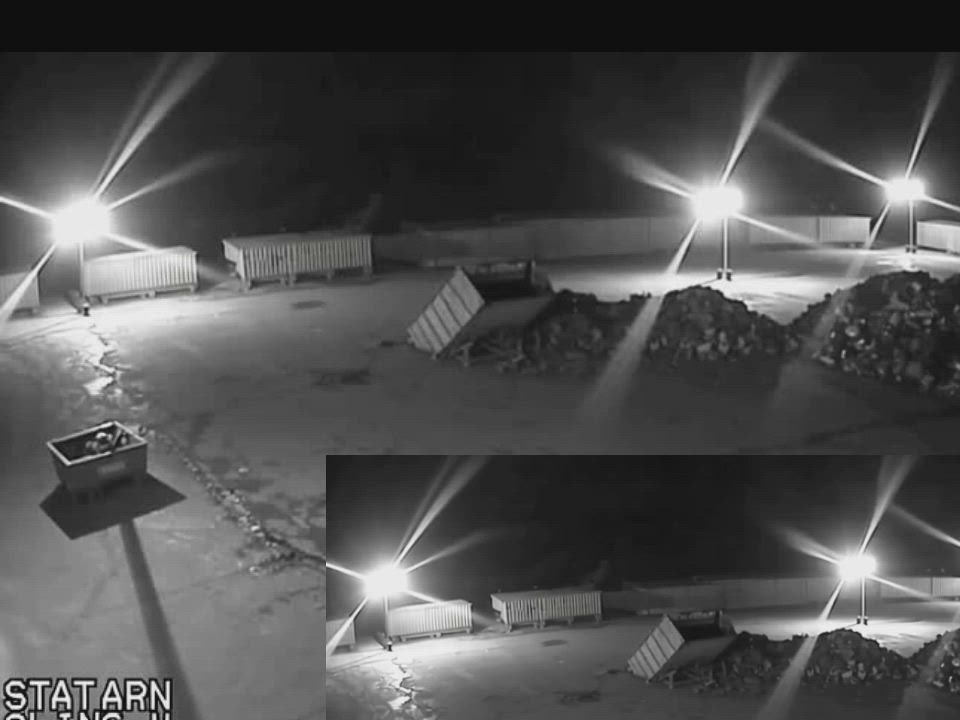
Fire safety technology has advanced significantly in the last ten years, with the fire detection camera being one of the most groundbreaking innovations. A fire detection camera can visually identify fire or smoke in real time, unlike traditional smoke or heat detectors that depend on combustion particles or rising temperatures. This development enables faster responses, fewer false alarms, and improved situational awareness in critical environments. Knowing what to expect from a fire detection camera aids businesses and property owners in making informed safety and risk management decisions.
A fire detection camera uses specialised sensors, typically in the infrared and visual spectrums, to identify the distinct signatures of smoke or flames. Infrared sensors detect heat pattern changes, whereas optical sensors identify specific light wavelengths from a fire. This tech blend enables the camera to detect fire activity much faster than conventional systems. In large or complex areas like warehouses, industrial plants, or outdoor spaces, detection speed can be crucial in determining whether an incident is contained or leads to significant loss.
First, understand the accuracy of a fire detection camera. A well-calibrated system can differentiate between real flames and benign light reflections or heat sources. This capability greatly minimises false alarms, a longstanding issue in traditional fire safety systems. False alarms disrupt operations and desensitise staff to real emergencies. A fire detection camera employs smart algorithms and image analysis to confirm threats before notifying personnel, ensuring alarms trigger only for genuine risks.
A fire detection camera’s ability for continuous monitoring is crucial. A camera offers continuous surveillance, unlike manual patrols or periodic checks. Fire detection cameras are often part of larger safety or security systems, enabling centralised control and immediate alerts to emergency teams. This ongoing coverage is especially useful in settings where human oversight is not feasible, like expansive outdoor storage spaces, elevated ceilings, or distant industrial sites. A fire detection camera ensures that every outbreak is noticed through constant vigilance.
Along with quick detection, a fire detection camera provides accurate identification of the fire source. Traditional detectors can locate a general area, but they fail to specify the exact location or visual details of the incident. Operators can visually confirm the fire’s origin and its real-time development. This visual insight helps emergency responders plan actions more effectively, focussing their efforts to control the situation quickly and safely. A fire detection camera offers clear and immediate information, saving time and resources during emergencies.
Modern fire detection cameras frequently use AI and machine learning. The technologies allow the camera to learn from previous incidents and enhance its detection abilities over time. The system could improve at distinguishing genuine smoke from airborne particles like dust or steam. These systems can sustain high accuracy in difficult environments due to their adaptive nature. Users can expect a fire detection camera to improve its effectiveness over time, adapting to the specific conditions of the monitored site.
A key expectation for a fire detection camera is its ability to adapt to various environments. Cameras can be set up indoors and outdoors, working effectively in various temperatures, humidity, and lighting conditions. In outdoor environments, they can feature weatherproof housing and advanced sensors that adjust for sunlight glare, rain, or fog. Indoor industrial facilities can withstand dust, vibrations, and electrical interference. A fire detection camera is suitable for various sectors, such as manufacturing, transportation, energy production, and public infrastructure.
A fire detection camera offers significant integration benefits. These systems typically integrate with building management systems, alarm panels, and automated suppression systems. A fire detection camera can trigger alarms, close fire doors, or activate sprinklers in specific zones upon identifying a potential fire. Integration with video management systems enables operators to access normal surveillance footage and fire detection data on a single platform. This approach simplifies operations, streamlines communication, and ensures rapid and effective deployment of safety measures.
A fire detection camera should provide thorough data recording and analysis. All incidents, real fires or false alarms, can be recorded and examined. This record offers insight into fire risks, aiding future safety enhancements. Analysing this data helps facility managers spot patterns or recurring problems, like overheating machinery or areas with poor ventilation. These insights refine safety protocols and enhance preventive measures, transforming a fire detection camera into a proactive tool rather than just a reactive one.
Installation and maintenance simplicity is another aspect to consider. Fire detection cameras are easy to install on ceilings, walls, or poles. Once set up, they usually need little upkeep aside from occasional cleaning and software updates. A fire detection camera can function effectively for years with minimal maintenance, unlike traditional detectors that require frequent recalibration or sensor replacement. This reliability offers a cost-effective solution for organisations aiming to enhance fire safety with minimal maintenance.
A fire detection camera offers one of the quickest detection methods for users worried about response time. The visual identification of fire occurs almost instantly after ignition, significantly shortening the time between outbreak and alarm activation. Some systems can alert operators in seconds, even before smoke hits traditional detectors. This quick response ability is crucial in settings where fires can intensify rapidly, like chemical plants, fuel depots, or warehouses with flammable materials. A fire detection camera offers immediate warnings, giving occupants and emergency responders a crucial advantage.
Users can expect a fire detection camera to provide high-quality images and advanced analysis features. Some systems provide visible and thermal imaging, enabling operators to view flames and heat signatures at the same time. The dual imaging function is crucial in low visibility conditions, as smoke can hinder normal vision. It enables responders to track heat distribution in a structure or equipment, helping assess potential risks. These images provide clear information, enabling confident decision-making.
Fire detection cameras are becoming more important in public and residential areas, in addition to their industrial uses. Monitoring large public spaces like airports, stadiums, and shopping centres with fewer cameras greatly improves safety. Cameras in residential complexes offer early warnings in shared spaces like car parks, corridors, and rooftops. With ongoing technological advancements, smaller and more affordable fire detection camera systems are anticipated to become available to a wider audience, enhancing safety across various settings.
Another expectation concerns connectivity. Modern fire detection camera systems transmit alerts and images over networks, allowing remote monitoring through mobile devices or control centres. This connectivity allows fire safety personnel to respond off-site, reviewing real-time footage and coordinating actions immediately. Cloud storage enables secure archiving of footage and event logs for future investigation or compliance needs. A fire detection camera’s integration into connected safety systems boosts responsiveness and accountability.
Cost is a key factor to consider when assessing fire detection cameras. Although the upfront cost may exceed that of traditional detectors, the system offers significant benefits in speed, accuracy, and reliability. Fewer false alarms, decreased maintenance requirements, and possible savings from avoided incidents all enhance long-term cost efficiency. Insurers often favour advanced fire detection systems, which may result in lower premiums. A fire detection camera safeguards life and property while offering long-term financial advantages.
A fire detection camera helps meet modern safety standards and regulations. Various industries face stringent fire safety regulations, and having advanced detection equipment reflects a commitment to effective risk management. Most systems include documentation and reporting features that simplify compliance proof during audits or inspections. Investing in a fire detection camera enhances safety and fulfils legal and regulatory obligations.
A fire detection camera offers innovation, reliability, and peace of mind. It marks a major advancement in fire safety—shifting from passive detection to active visual analysis. Real-time detection, verification, and reporting of fires transform emergency responses for organisations and individuals. A fire detection camera offers essential protection, whether in a factory, office complex, or outdoor location. With ongoing technological advancements, its importance in protecting individuals and assets will grow significantly.