
Data is one of the most important things that a person or business can have in today’s digital world. Losing data can be very bad, from private photos and financial records to systems that are important for business and intellectual property. When people delete files by mistake, have them damaged, or lose them because of a hardware problem, the first thing they want to know is if they can be recovered. You can get help with this from data recovery services. These professional services are made to get back data that is lost, damaged, or can’t be accessed from hard drives, solid-state drives, memory cards, USB flash drives, and even mobile devices. If you know what to expect from data recovery services, you can make smart choices during what is usually a trying time.
When you hire data recovery services, the first thing that usually happens is an initial consultation or review. Technicians or experts will now try to learn as much as they can about the problem, such as the type of device that broke, its symptoms, and any previous attempts to fix it. Being honest is very important, and you should not mess with the device yourself, because more tries to get to the data could make the damage worse. Most data recovery services offer diagnostic tests to see if recovery is possible and to get an idea of how bad the damage is. This assessment step is very important because it helps everyone involved figure out how likely it is that the process will work and how much it might cost.
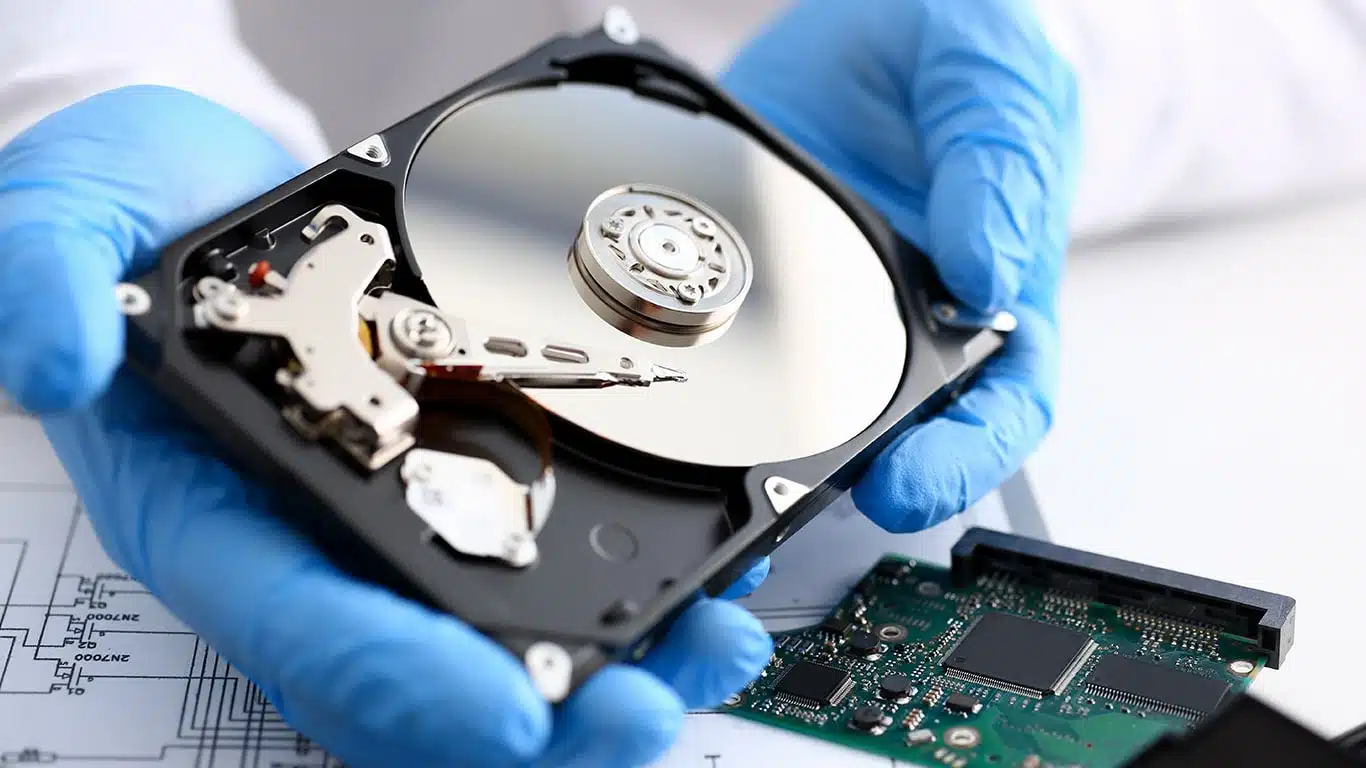
Once the initial assessment is done, data recovery services will usually give you an outline of the steps they will take to get back the lost data. The way things are done depends on the type of situation. If the problem is logical, like when you delete something by mistake, software gets corrupted, or you format a drive, you can often get back the data without having to fix the device physically. Damage to the body, like from a head crash or being submerged in water, needs a much more complicated process that involves cleanrooms. A cleanroom is a controlled space where the air is cleaned so that dust doesn’t hurt sensitive drive parts while they are being fixed. Reputable data recovery services work in these kinds of places to give them the best chance of recovering the data.
Another important thing you can expect from professional data recovery services is that they will be clear about prices and keep your data safe. Costs can vary a lot based on how bad the damage is and how hard it is to fix, but reputable service providers will explain how much they charge before they start working. Some may have a strategy of “no data, no fee,” which means you only pay if they can get your data back. More important than cost is privacy. Data recovery services are required to follow stringent data protection standards because the files they get back may contain private or sensitive information. These standards are frequently in line with national or international laws like the GDPR or the UK’s Data Protection Act. Customers should always make sure that the service company they choose has strong security measures in place.
Talking to each other is a big part of managing standards throughout the process. Reliable data recovery services keep their clients up to date on the process and make sure they understand each step of it. You might get updates, for instance, when the tests are done, the recovery process starts, and the recovered data is checked. This openness not only gives people peace of mind, but it also shows how professional and trustworthy the service provider is. When it’s only possible to recover some files, reliable services will let you know which ones were successfully recovered and which ones were lost forever.
Depending on how complicated the case is, the response time for data recovery services can range greatly. Small problems, like removals by accident, might be fixed in a day or two. But major physical damage might take days or even weeks. Some services offer faster or emergency choices for people who need to get to their files quickly, but these are usually more expensive. Time predictions should always be made clear from the start so that people know what to expect. It’s important to know that you can’t always rush good recovery—trying to speed up the process without taking the right steps could cause you to lose data permanently.
A common misunderstanding about data recovery services is that they can always get all of the data back. In reality, the outcome relies on a number of things, such as how bad the damage is, how good the storage medium is, and whether any data has been overwritten. For instance, if new data is written to a drive after the files have been deleted, it could erase the deleted files, making it impossible to get them back. Similarly, major physical damage like that from a fire or a machine breaking down can make even professional healing very hard. Still, trustworthy data recovery services use cutting-edge methods and tools to improve their chances of success, often getting outcomes that regular software would not be able to.
It is also important to know that data recovery services can help stop problems before they happen. Professionals often give advice on the best ways to store and back up data during or after the healing process. This advice could include setting up automatic backup systems, using multiple storage options, or moving important data to the cloud. Everyone and every business can greatly lower their chances of losing info in the future by following these suggestions. In this way, data recovery services not only get back what was lost, but they also make data more secure for the future.
Another part of using data recovery services is making sure that the restored data is correct and sending it back to you. The restored files are usually sent to a safe external drive or cloud platform and then given to the client once the process is done. Technicians check the recovered data to make sure it is full, accessible, and free of corruption before handing it over. The original broken gadget is usually sent back to the customer as well, though some may choose to have it destroyed safely if it could be a security risk. Clients should expect detailed records that list the files that were recovered and the process’ general success rate.
When using data recovery services, trust is very important, especially since customers often have to hand over devices that hold private or sensitive data. A trustworthy service provider should offer clear privacy agreements and explain how they will handle and store your data while the healing process is going on. This includes making sure that all recovered data is removed safely from their systems once it has been sent to the client. Data privacy is an important part of any professional service in this area, and customers should know that their data won’t be shared or used in a bad way.
When picking data recovery services, you should also think about how knowledgeable and experienced they are in technology. Data recovery is a very specialised area that needs people who know a lot about file systems, storage architectures, and electronic parts. Technicians with more experience can more accurately figure out what’s wrong and use recovery methods that are specifically designed for the device and type of data. For example, getting data back from an SSD is different from getting data back from a regular hard drive because of the way they store data. Professionals with a lot of experience know these details and use cutting-edge tools to help with healing.
Professional data recovery services are often the best way to get back important data in a safe and effective way, even though the process can be hard to understand and expensive at times. It might seem easier to try to recover using consumer-grade software or online tools, but these methods can make things worse, especially if there is physical damage. Data recovery is a delicate process that needs skill, patience, and a controlled environment. By putting your trust in trained professionals, you increase your chances of a full recovery and lower the risks that aren’t necessary.
Last but not least, it’s important to remember that data recovery services aren’t just for situations. A lot of companies use them to check the security of their data management systems, run recovery scenarios, or see how well their backup plans work. By doing this, they learn important things about possible weak spots and can make better defences against future data loss. People can also benefit from this proactive method, especially when they have a lot of digitally stored personal or creative work.
To sum up, data recovery services are a lifesaver for people who think they have lost important data. These services cover every aspect of one of the most frustrating issues of the digital age, from the initial diagnosis and technical repair to the safe return of data and help on how to avoid future problems. Clients can look forward to an organised process, professional care, clear communication, and a focus on privacy. Professional data recovery services are much better than do-it-yourself options, but success is never a sure thing. This is because they have more experience and better technology. If you have lost your data because of a hardware failure, an accident, or software corruption, giving it to professionals with a lot of experience is the best way to get it back. You will also get important peace of mind in the process.