
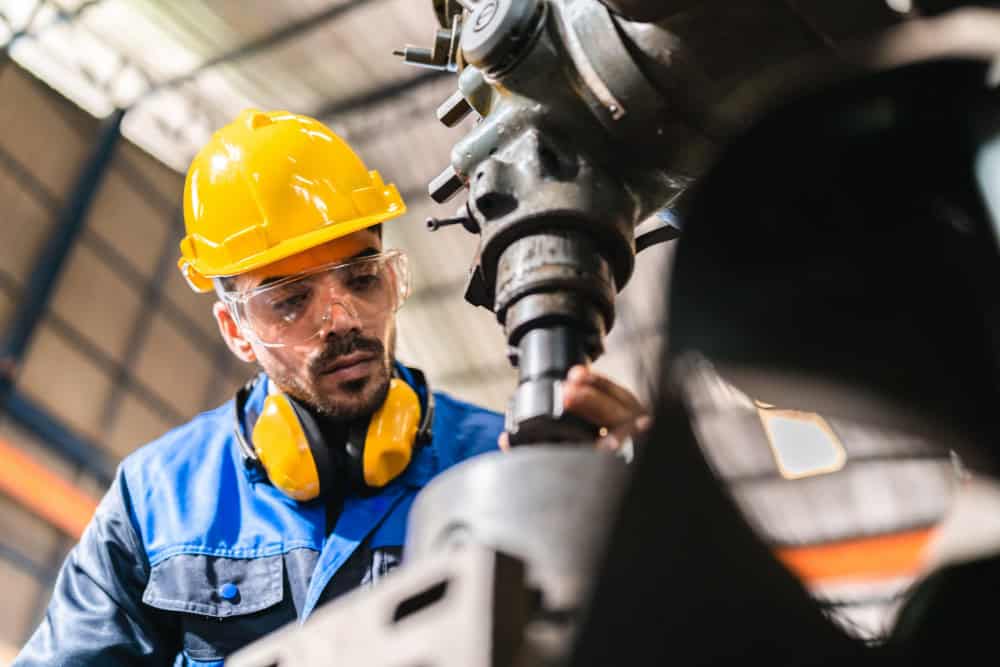
PUWER training, focused on the Provision and Use of Work Equipment Regulations, offers significant advantages for both employers and employees by turning legal requirements into practical, everyday safe working habits. It not only supports compliance with UK health and safety law, but also improves risk awareness, equipment reliability and overall workplace culture around safety and responsibility.
At its core, PUWER training helps people understand what is meant by “work equipment” and the wide range of items that fall under the regulations, from simple hand tools through to complex machinery. It clarifies who is responsible for ensuring equipment is suitable, maintained and inspected, and what duties fall on employers, managers and operators in different situations. By demystifying the language of the regulations, PUWER training makes it easier for staff at every level to see how the rules apply to their daily tasks rather than viewing them as distant or abstract legal texts.
A major advantage of PUWER training is its role in reducing accidents and injuries associated with machinery and other work equipment. Many workplace incidents occur because equipment is unsuitable, poorly maintained, incorrectly guarded or used in ways it was never designed for. PUWER training encourages a systematic approach to selecting, installing and using equipment so that hazards are identified before they cause harm. When employees understand why certain guards are in place, why checks are required and what warning signs to look for, they are more likely to spot problems early and take appropriate action.
PUWER training also strengthens an organisation’s ability to demonstrate legal compliance. The regulations require that equipment is suitable for its intended use, maintained in a safe condition and inspected where necessary, and that only people who have received adequate information, instruction and training use it. By providing structured PUWER training and keeping records of attendance and content, employers can show that they have taken reasonable steps to meet these duties. This can be important in the event of inspections, audits or investigations following an incident, where evidence of a thought‑through training programme may be examined closely.
Another advantage of PUWER training is the way it supports better risk assessments. The regulations sit alongside general duties to assess and control risks arising from work activities. Well‑designed PUWER training explains how to identify hazards associated with specific equipment, such as moving parts, ejection of materials, electrical hazards or ergonomic issues. It then links these hazards to the principles of risk assessment, helping staff to judge likelihood and severity and to choose appropriate control measures. As a result, those involved in assessments are better equipped to produce meaningful, practical documents instead of generic checklists that add little value.
PUWER training also has a positive impact on maintenance and inspection regimes. Equipment that is not properly cared for can become dangerous long before it fails completely. Training helps maintenance teams and operators understand what the regulations expect in terms of planned preventative maintenance, routine checks and more formal inspections. It encourages clear communication between those who use equipment daily and those who maintain it, so that early signs of wear, damage or malfunction are not ignored. Over time, this approach not only improves safety but can also reduce downtime and repair costs by catching issues sooner.
For employees, PUWER training offers reassurance and empowerment. Knowing that there is a clear framework for safe equipment use, and understanding their own rights and responsibilities within it, can make people more confident about raising concerns. Training emphasises that they should not be asked to use unsafe or unsuitable equipment and that they have a role in reporting defects and near misses. When workers recognise that PUWER training is not just a tick‑box exercise but a means of protecting their own wellbeing, they are more likely to engage actively with the material and apply it in practice.
From a management perspective, PUWER training supports consistent standards across different teams, shifts and sites. Without shared understanding, approaches to equipment use can vary widely, leading to confusion and increased risk. A structured PUWER training programme establishes common expectations for matters such as pre‑use checks, reporting procedures, lock‑off and isolation, guarding and safe systems of work. This consistency is especially valuable where staff move between departments or locations, as it reduces the need to relearn basic principles and helps maintain a uniform safety culture.
Another important advantage of PUWER training is its contribution to the design and planning of new work processes. When managers, engineers and supervisors understand the regulatory requirements from the outset, they can factor them into decisions about purchasing and layout. This might involve choosing equipment with better built‑in safeguards, ensuring there is adequate space for safe access and maintenance, or designing tasks to minimise manual handling and awkward postures. In this way, PUWER training supports a more proactive, prevention‑focused approach rather than relying on retrofitting controls once problems have been identified.
PUWER training can also complement other forms of health and safety training, creating a more complete picture for employees. For example, concepts introduced in general induction, manual handling or specific machinery training can be reinforced and contextualised through a PUWER‑focused session. This joined‑up approach helps learners to see how different regulations and guidance documents interlock, rather than viewing each course as separate and unrelated. The result is a more integrated understanding of safety, with PUWER training acting as one key thread in a broader tapestry of knowledge.
In terms of organisational reputation, investing in PUWER training sends a strong message about commitment to safety and legal responsibility. Clients, contractors and regulators increasingly look for evidence that organisations take their duties seriously, and a robust training programme is one visible sign of that commitment. Internally, staff who see PUWER training delivered thoughtfully and regularly – rather than rushed or treated as a formality – are more likely to believe that their wellbeing is genuinely valued. This can support morale, retention and trust, which in turn can influence productivity and cooperation.
Another advantage lies in the way PUWER training can be tailored to specific roles and types of equipment. While the core principles remain the same, the practical application may differ between, for example, workshop machinery, mobile plant, laboratory equipment or office devices. Good PUWER training can draw on relevant scenarios and examples for each audience, making the content more engaging and directly applicable. This flexibility means that PUWER training can evolve alongside changes in technology, processes and workforce, remaining current rather than becoming outdated.
Finally, PUWER training lays the groundwork for continuous improvement in safety performance. By raising awareness, clarifying duties and encouraging open discussion about equipment‑related risks, it creates an environment where feedback and learning are possible. Near misses, audit findings and incident investigations can all be fed back into future PUWER training sessions, closing the loop between experience and education. Over time, this cycle helps to refine safe systems of work, improve equipment selection and design, and reduce the likelihood of repeat problems.
Taken together, the advantages of PUWER training reach far beyond simple legal compliance. It strengthens risk management, supports effective maintenance, empowers employees, promotes consistency and underpins a culture in which safe use of work equipment is seen as a shared responsibility rather than an afterthought. For organisations that rely on any form of machinery or equipment – which is almost every workplace – PUWER training is not just a regulatory necessity but a practical investment in safety, reliability and long‑term success.