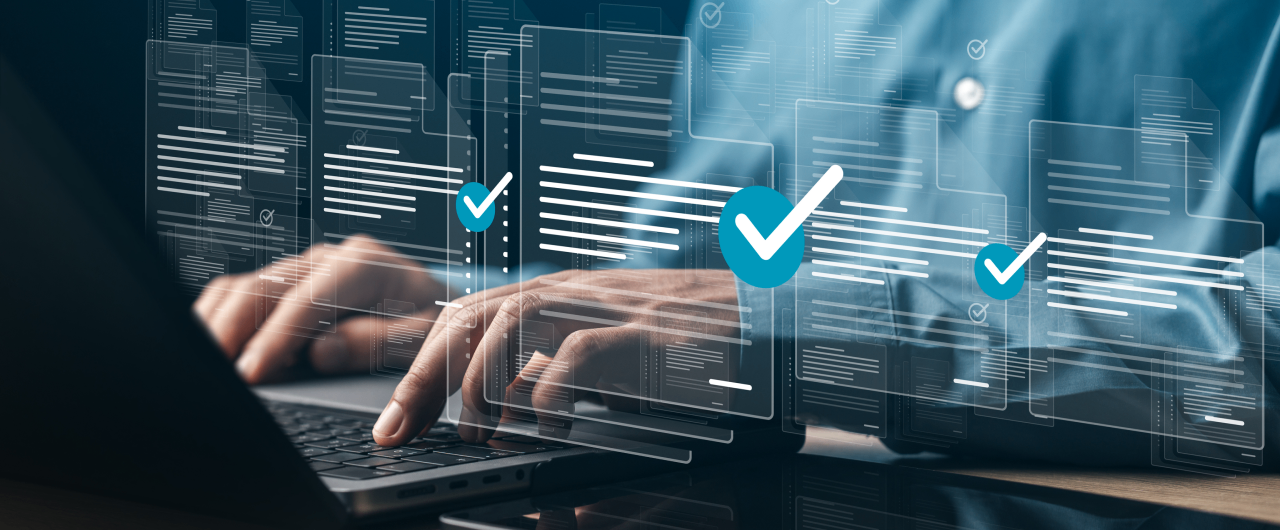
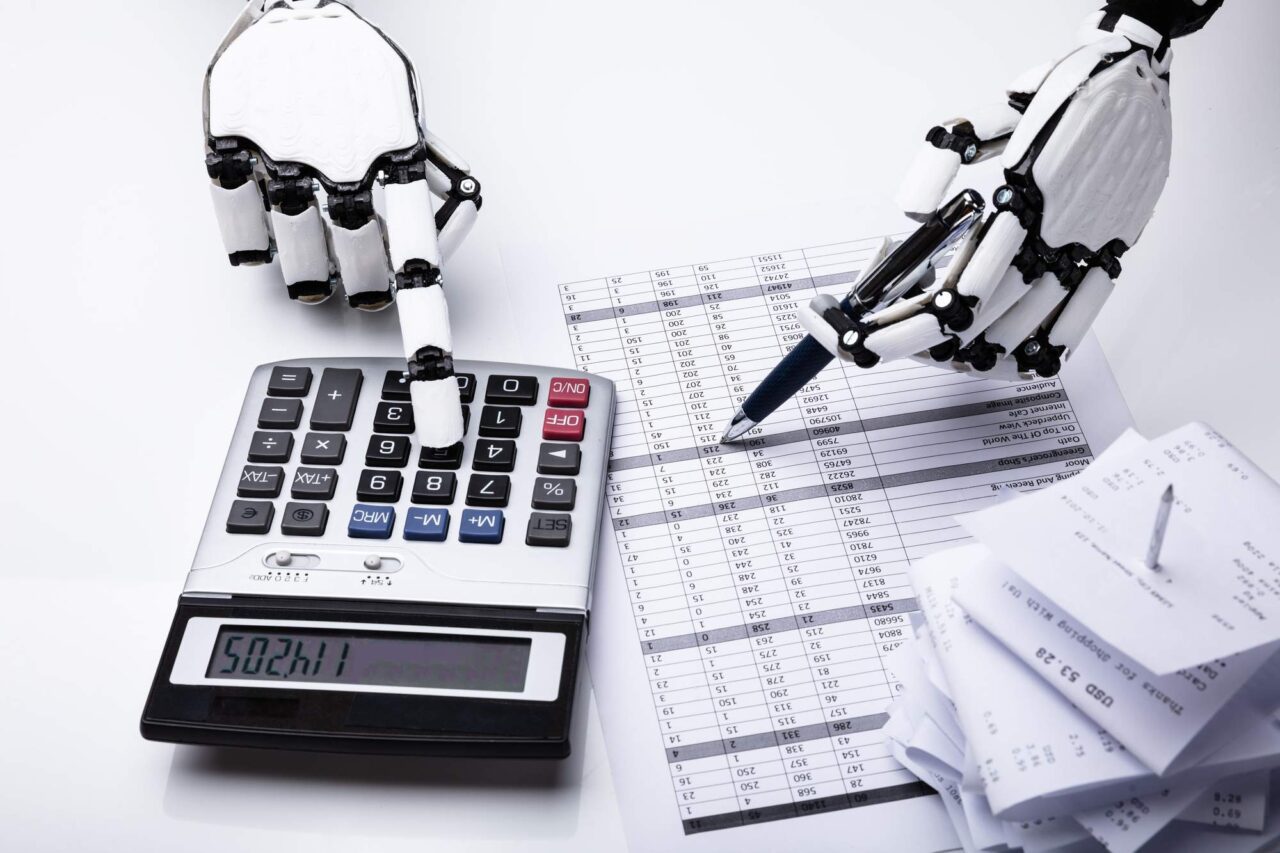
Bookkeeping was once done in leather-bound ledgers with handwritten numbers in rows, tedious reconciliation for hours and the constant threat of human mistake. For centuries, maintaining the financial records of a firm was a labour-intensive, time-consuming task that required an extraordinary amount of attention to detail. Today that terrain is evolving with extraordinary velocity. One of the most important advances in company technology is AI bookkeeping software, and its popularity is expanding at a speed few could have imagined even a decade ago.
This transition has been brought about by a combination of factors: the rising complexity of artificial intelligence, the ubiquity of cloud computing, and a growing desire among business owners for technologies that simplify administrative tasks without compromising accuracy. AI bookkeeping is a crossroad of all three and provides a solution that is not only faster than traditional approaches, but in many circumstances, far more dependable.
What Exactly Is AI Bookkeeping, and Why Is It Important?
At its heart, AI bookkeeping is about using machine learning algorithms and automation to handle financial information, classify transactions, reconcile accounts, and create reports. Whereas traditional accounting software needed users to plug in data manually and make their own categorisation selections, AI bookkeeping systems learn from patterns in financial data. Over time they get better at anticipating how transactions should be recorded, detecting abnormalities and lowering the amount of manual intervention necessary.
This is hugely important for small and medium-sized companies that have traditionally struggled to keep accurate financial records without specialist in-house accounting staff. AI bookkeeping democratises access to high quality financial management – offering smaller organisations the type of scrutiny that was traditionally the domain of larger enterprises with more finances.
Numbers Behind the Growth
All market research statistics show to accelerated growth in the AI bookkeeping market. The global market for AI-powered accounting and bookkeeping solutions is growing faster than many other sectors of corporate software, at a compound annual growth rate, and is expected to continue to do so well into the next decade. The use of AI bookkeeping tools by small firms has surged, and polls reveal that the majority of business owners utilising these tools are quite satisfied and would choose not to revert to manual bookkeeping methods.
Some of that expansion is a function of the underlying technology maturing. Early automated accounting software was sometimes clumsy and needed a lot of human attention to perform properly. Contrarily, contemporary AI bookkeeping tools can process complicated multi-currency transactions, integrate with payroll systems, handle VAT reports, and provide precise financial predictions with very little human involvement.
Time and Cost Savings
One of the biggest selling points for AI bookkeeping is the enormous amount of time it will save you. Research has revealed small company owners spend an average of between five and 10 hours each week on financial administration. AI bookkeeping software may drastically lower this amount, saving up important time that can be used towards developing the firm. It’s not a little convenience for single traders and micro-businesses operating on tight margins – it’s a real competitive advantage.
There are also substantial cost consequences. Hiring a trained bookkeeper or accountant may be a significant, continuous investment, particularly for those not yet of a size to employ someone full-time. AI bookkeeping offers a cost-effective alternative to human professional services, giving a level of service that for typical activities, is favourably comparable at a fraction of the expense. AI bookkeeping can not replace the need for expert accountants, particularly when it comes to intricate tax planning or strategic financial guidance. But it drastically cuts down the amount of hours that specialists have to spend on regular data input and reconciliation.
Precision & Error Reduction
There are certain to be human errors in manual bookkeeping. Transposition mistakes, miscategorised transactions and missing entries are widespread and the repercussions range from small inconveniences to significant compliance difficulties. AI bookkeeping minimises the occurrence of these mistakes by automating the operations most susceptible to them. Machine learning models trained on massive data sets of financial transactions are great at pattern detection, and they don’t suffer from weariness, distraction, or the type of cognitive overload that may hit a human working through a large backlog of receipts.
The increased precision has practical ramifications beyond the simple tidiness. For audit-ready organisations, the creation of good records by AI bookkeeping systems may make the procedure surprisingly easy. For individuals seeking finance or investment, it is crucial that you have clear and up-to-date financial data. And for any company owner who has ever had to deal with an unexpected tax bill due to disorganised records, the dependability of AI bookkeeping provides a lot of piece of mind.
Integration and Real Time Insights
Today’s AI bookkeeping platforms are built to interact easily with a variety of different business tools. As bank feeds are connected directly, transactions are loaded instantly and in real time. Invoicing software, payroll systems, expenditure management apps, and e-commerce platforms may all be integrated into a single AI bookkeeping hub, providing a holistic, always up-to-date view of a business’ financial health.
This real time visibility is something that traditional bookkeeping approaches just cannot equal. Traditionally, a business owner would have to wait until the end of the month – or the end of the quarter – to have an accurate view of their financial status. AI bookkeeping gives you access to that information whenever you need it, which means smarter, quicker decisions. Whether the decision is whether to take on a new member of staff, invest in new equipment or give credit to a client, reliable and fast financial data is vital.
Limitations and Challenges
It would be incorrect to say that there are no issues with AI bookkeeping. Many company owners remain concerned about data security when it comes to keeping sensitive financial data in cloud-based platforms. Although reputable AI bookkeeping companies use strong encryption and security standards, some firms still perceive danger and it might influence their choice to adopt or not.
There is also the matter of trust. Many business owners, especially an older generation used to close work with a person accountant, find it hard to give over control to the automated system. The switch to AI bookkeeping demands a certain degree of trust in the technology that not everyone is instantly comfortable with. In response, providers have developed better user interfaces, strong customer support and audit trail capabilities that allow the user to understand exactly how and why the system has made the judgements it has.
And AI bookkeeping software isn’t a good fit for every single very complicated or unique financial scenario, either. For organisations with complex structures, unique accounting needs or extremely volatile income streams, AI bookkeeping may do a great job managing most of their normal transactions but will still require human knowledge for edge situations and unusual items.
The Way Ahead
The future of AI bookkeeping software is certainly on an upward track. As artificial intelligence progresses, and as the technology becomes more ingrained in mainstream corporate practice, it is reasonable to predict that the tools will grow more competent, more inexpensive and more generally accepted. Regulatory developments, such as the further move to digital tax reporting in the UK and beyond, are also expected to drive usage. Businesses are increasingly compelled to maintain digital financial records and submit returns using authorised software.
In this climate, the winners are the companies who have used AI bookkeeping not as an administrative convenience but as a strategic advantage. These companies are gaining a demonstrable advantage over the ones still stuck in the past by automating the mundane and focusing human knowledge where it is really needed.
The age of AI bookkeeping is not coming, it’s now here and its popularity is not slowing down. Any firm that has not yet thought about what AI bookkeeping can do is not whether to make the switch, but how soon.