
In many organisations, the way parcels and internal mail are handled has not kept pace with the rest of their digital transformation. While customer journeys, finance and HR have moved into the cloud, it is still common to see paper logbooks, ad hoc spreadsheets and manual workarounds in busy mailrooms. As buildings become more secure, workforces more mobile and parcel volumes continue to rise, this old approach simply cannot cope. Enterprise mail management has emerged as a smart, scalable way to bring order, visibility and accountability to the constant flow of packages and post that move through offices, campuses and multi-site estates every day.
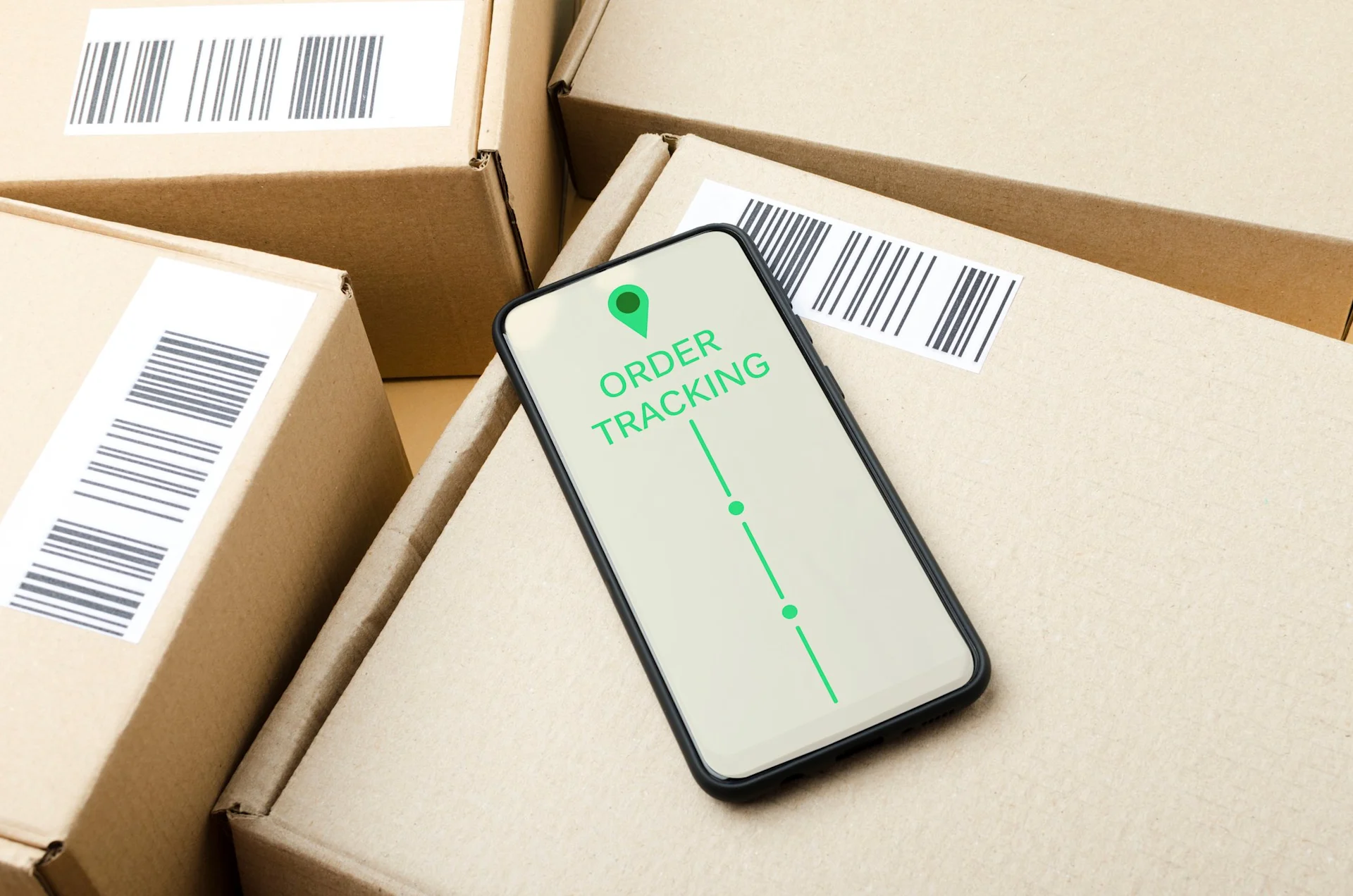
At its core, enterprise mail management is about replacing guesswork with a clear, traceable process. Instead of staff scribbling down tracking numbers and recipient names in a notebook, internal mail tracking and parcel tracking software allows every item to be scanned the moment it arrives. A barcode or QR code is captured, the recipient is matched and key details are stored in a central, cloud-based system. From that point on, each handoff, movement and collection is recorded. This turns what used to be a black box into a transparent chain of custody where every parcel has a digital footprint from the loading bay to the final handover.
One of the immediate benefits is time saved in busy buildings and mailrooms. Without enterprise mail management, staff can spend large parts of their day answering enquiries about missing parcels, hunting through shelves or checking multiple spreadsheets to see whether something has been delivered. With an internal parcel tracking system in place, they can simply search by name, tracking code, department or date and see exactly where an item is in the process. This reduces frustration on both sides of the counter, freeing mailroom teams to focus on handling items efficiently rather than firefighting problems.
Automated notifications are a key feature that bring the process to life for end users. As soon as a new delivery is scanned into the system, the intended recipient receives an email or app alert letting them know a parcel has arrived and where it can be collected. This is particularly valuable in large offices, university campuses or multi-site organisations where people may not pass through the mailroom regularly. Instead of wondering whether a package has turned up, staff and students can plan their day with confidence, knowing they will be informed as soon as something is ready for collection.
Security and proof of delivery are another area where internal mail tracking software makes a real difference. In traditional setups, it can be hard to prove whether a parcel was ever received by the building, who signed for it or when it left the mailroom. This lack of clarity can cause tension between teams, especially when high-value or time-critical items go missing. Modern enterprise mail management systems solve this by capturing a secure handover at the point of collection. Recipients can scan a QR code, present a barcode on their phone or sign digitally, creating an auditable record that the parcel has changed hands. If questions arise later, there is a clear trail showing when and to whom the item was released.
For multi-tenant properties, shared offices and large campuses, the ability to trace every parcel is particularly important. Different organisations may share the same reception or mailroom, and it is vital that items are not mixed up or misdirected. A single internal parcel tracking system can handle multiple departments, buildings or tenants while still keeping records separated as needed. Each item is tagged with the correct destination from the moment it arrives, and staff can easily see which items are awaiting collection, which have been forwarded, and which have been collected, all without juggling separate systems or paper lists.
From a management perspective, enterprise mail management provides visibility and data that were simply not available with manual processes. Because every scan and handoff is recorded, it becomes possible to see peak delivery times, average collection times, and the volume of parcels handled for each building or department. This information can be used to plan staffing more effectively, adjust opening hours, or make a case for investment in additional space or equipment. It also supports better policy-making, for example by setting realistic collection windows or encouraging staff to consolidate online orders to reduce unnecessary traffic through the mailroom.
The shift to hybrid working has added extra complexity to internal mail handling. With staff spending fewer days on site, parcels can sit uncollected for longer, creating storage challenges and increasing the risk of mix-ups. Intelligent enterprise mail management helps to mitigate this by keeping recipients updated, offering reminders, and allowing organisations to implement rules around how long items are held before being returned or forwarded. Some systems can even support alternative workflows, such as authorising colleagues to collect on someone’s behalf or routing business-critical documents to satellite offices where staff are more likely to be present.
Another often overlooked benefit is the improved experience for couriers and external delivery drivers. When a building operates a structured internal mail tracking system, there is a clear process for incoming deliveries. Drivers can drop off multiple parcels at a single point, obtain a quick scan-based confirmation and move on to their next stop, instead of waiting while staff find an open logbook or search for a contact. This smoother handover reduces congestion at reception areas and loading bays, and helps maintain good relationships with delivery partners who are under constant time pressure.
For organisations concerned about compliance and audit requirements, the proof-of-delivery audit trail provided by enterprise mail management is invaluable. Whether it is sensitive documents, regulated materials or simply items of high value, being able to demonstrate exactly how each parcel was handled can support internal audits and external inspections alike. The system creates a permanent record of every action, far more reliable than paper logs that can be misfiled or lost. In the event of a dispute, these records provide a clear, impartial account of the item’s journey through the organisation.
Adopting internal mail tracking and parcel tracking software also supports sustainability goals. With better visibility of parcel volumes and patterns, organisations can look for opportunities to reduce unnecessary deliveries and optimise internal distribution routes. For example, teams might coordinate orders to arrive on certain days, or schedule internal runs between buildings at times that balance efficiency and responsiveness. While each change may be small on its own, together they can contribute to fewer delivery journeys, reduced congestion and more efficient use of resources.
Crucially, modern enterprise mail management does not require complex infrastructure or a lengthy implementation. Cloud-based systems can be rolled out across multiple sites with minimal disruption, often using existing devices such as smartphones or tablets for scanning. Staff can be trained quickly through intuitive interfaces and clear workflows, and the system can evolve over time as needs change. This flexibility is important for organisations that are growing, reconfiguring their estates or adjusting to new patterns of working and occupancy.
Ultimately, the value of internal mail tracking and parcel tracking software lies in the way it turns a historically manual, error-prone process into a controlled, data-rich function that supports the wider organisation. By scanning new deliveries at the point of arrival, automatically notifying recipients, enabling secure QR code or signature-based collection, and maintaining a complete proof-of-delivery audit trail, these systems bring predictability and peace of mind to a part of operations that has long been overlooked.
Enterprise mail management is no longer a nice-to-have for large mailrooms; it is becoming an essential part of running busy buildings, campuses and multi-site portfolios efficiently. With one system to handle all internal mail and parcels, organisations can reduce handling time, increase accountability and ensure that every item is traceable from the loading bay to the recipient’s hands. In a world where parcels keep flowing and expectations for service continue to rise, bringing the mailroom into the digital age is one of the simplest, most effective ways to remove friction and support the daily life of the enterprise.